Shooting sparks mental health discussion

Despite the growing cases, mental health experts say help is just a call away. Police say Jesus Rodriguez was found with a gram of meth, and was also dealing with domestic problems when he shot an innocent man outside of Brackenridge on New Year’s Eve. It’s a situation mental health expert Iliana Gilman says may have been avoided if Rodriguez sought help. “You have to know where the resources are to get the help you need,” Gillman said, “but the fact of the matter is, the help is there.” In 2012, Austin Travis County Integral Care’s crisis services helped 78,000 callers. Those calls ranged from problems big and small, such as people dealing with issues of drug abuse, money problems, or depression. “Depending on what type of emergency it might be, we might dispatch our Mobile Crisis O utreach Team who will them go on site to either a persons house or a school, wherever that person is.” 24-Hour Crisis Hotline: 512-472-HELP(4357) Integral Care is trying to break down the social stigmas surrounding mental health bycreating dialogue and informing people of their options.
For the source story please follow the following link – Shooting sparks mental health discussion
Mental health nurses to be based in pilot stations

Despite recent efforts to improve mental health services for African Americans and other culturally diverse groups, barriers remain in access to and quality of care from, insurance coverage to culturally competent services. For those with insurance, coverage for mental health services and substance use disorders is substantially lower than coverage for other medical illnesses such as hypertension and diabetes. Historically, mental health research has been based on Caucasian and European based populations, and did not incorporate understanding of racial and ethnic groups and their beliefs, traditions and value systems. Culturally competent care is crucial to improving utilization of services and effectiveness of treatment for these communities. Cultural Issues Culture, which is understood to be a combination of common heritage beliefs, values and rituals are an important aspect of racial and ethnic communities. African Americans are a resilient people who have withstood enslavement and discrimination to lead productive lives and build vibrant communities. Throughout U.S.
Read the source article with any related media, visit African Americans and Mental Health
Idaho looks at ways to mend mental health system

Let’s make sure we make the most of it.” Centre for Mental Health chief executive Sean Duggan said: ” Liaison and diversion teams provide immediate advice and help to the police when they arrest someone with a mental health difficulty. They can screen for mental health problems and learning difficulties in both adults and children who come into police custody and secure the right support for those who need it. “Well functioning liaison and diversion services can prevent people with mental health problems from being imprisoned and reduce the likelihood of further offending by putting better support plans in place for people with complex needs. “We are pleased that the Government has given the go-ahead to further development of liaison and diversion services. This year it will be five years since the Bradley Report was published and it is vital that good quality mental health support for adults and children alike is available in every police station and court in England.” Marylyn Haines Evans, chairwoman of the National Federation of Women’s Institutes, said: “The Care not Custody campaign has been very close to the hearts of many WI members.
To read the original version including any supplementary images or video, visit http://news.uk.msn.com/uk/mental-health-nurses-to-help-police-1
Mental health nurses to be placed in police stations
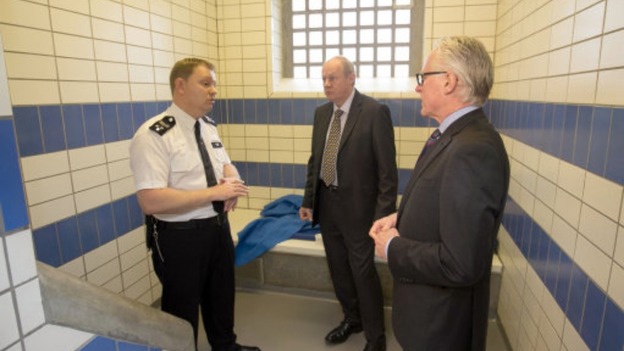
They can screen for mental health problems and learning difficulties in both adults and children who come into police custody and secure the right support for those who need it. We are pleased that the Government has given the go-ahead to further development of liaison and diversion services. This year it will be five years since the Bradley Report was published and it is vital that good quality mental health support for adults and children alike is available in every police station and court in England. Centre for Mental Health chief executive Sean Duggan Mental health nurses to be placed in police stations Mental health nurses are to be posted in police stations and courts in a bid to reduce reoffending by mentally ill criminals, the government has announced. The 25 million pilot will be tested in Merseyside, London, Avon and Wiltshire, Leicester, Sussex, Dorset, Sunderland and Middlesbrough, Coventry, south Essex and Wakefield.
For the source version including any supplementary images or video, visit http://www.itv.com/news/story/2014-01-04/mental-health-nurses-to-posted-in-police-stations-and-courts/

Otherwise, a costly, advanced inpatient license is required. “It isn’t really a treatment modality that these centers are about. It is more of a risk-reduction model,” Edmunds said. The center then can send them out the door or refer them to inpatient psychiatric care, he said. Likewise, an inpatient center, which costs thousands of dollars a day, could refer walk-ins to the crisis center when appropriate, Edmunds said.
Visit Idaho looks at ways to mend mental health system for the originating write-up and related media content
Mental health nurses to help police

This information may be shared with police and the courts to help ensure decisions made about charging and sentencing take into consideration an individuals health needs. It will also mean treatment is given sooner, which will help stop re-offending, the DH said. The first areas receiving the funding are: Merseyside, London, Avon and Wiltshire, Leicester, Sussex; Dorset, Sunderland and Middlesbrough, Coventry, South Essex, and Wakefield. These new services will be evaluated and if successful, extended to the rest of the country by 2017, the DH added. The move follows the 2009 Bradley Report, which found that the majority of people who end up in prison have a mental health problem, a substance misuse problem or a learning disability.
For the source content please visit this link – Mental health nurses to be based in pilot stations
Mental health nurses to be posted in police stations

“Too often people with mental health illnesses who come into contact with the criminal justice system are only diagnosed when they reach prison,” said care and support minister Norman Lamb. “We want to help them get the right support and treatment as early as possible. Diverting the individual away from offending and helping to reduce the risk of more victims suffering due to further offences benefits everyone.” The money will be made available over the next year to bridge the gap between the police, courts and mental health services in Avon and Wiltshire, Coventry, Dorset, Leicester, London, Merseyside, South Essex, Sunderland and Middlesbrough, Sussex and Wakefield. The Department of Health said it would ensure people receive the treatment they need “at the earliest possible stage”. It has been estimated that police officers spend 15% to 25% of their time dealing with people with mental health problems. Policing minister Damian Green said: “Officers should be focused on fighting crimes and people with mental health conditions should get the care they need as early as possible.
Visit http://www.theguardian.com/society/2014/jan/04/mental-health-nurses-police-stations-pilot-scheme for the original report and related media content


![[image]](https://i0.wp.com/s2.wsj.net/img/wsj_select_p_377x107.gif)


